Essential Safety Checks Before Buying a Used Car
Buying a used car involves inherent risk, but systematic safety checks significantly reduce that risk. Whether you're mechanically minded or not, these checks should guide your purchase decision.
Start with documentation. Verify the registration document matches the seller's identity. Check the MOT history online through the DVLA website—it's free and reveals whether the car has passed recent tests and what advisories were noted. Request service records to confirm regular maintenance. A complete service history demonstrates the car has been properly cared for.
Examine the chassis number and engine number. These should match the registration documents exactly. Mismatches or signs of tampering are serious red flags suggesting potential theft or accident damage.
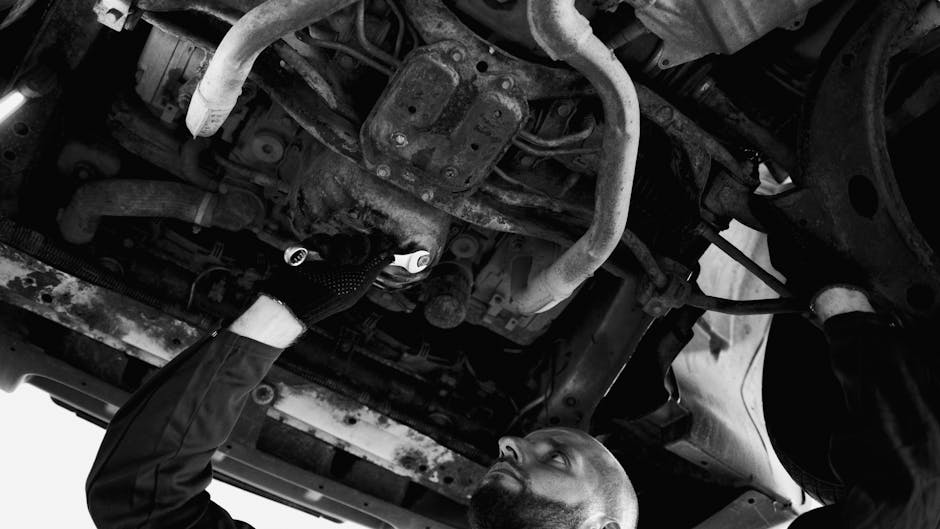
Visual inspection reveals much about condition and history. Look for paint thickness variations suggesting previous repairs. Check panel gaps for consistency—uneven gaps indicate accident damage. Inspect the underside for rust, particularly on the chassis and suspension components. Look at tyre tread depth and condition; uneven wear suggests suspension or alignment issues.
Test all electrical systems thoroughly. Windows, locks, lights, wipers, and climate control should function smoothly. Check that all warning lights illuminate on startup and extinguish normally. Non-functioning warning lights might indicate electrical problems or deliberate disconnection to hide faults.
Mechanical checks require either mechanical knowledge or professional help. Start the engine from cold and listen for unusual noises. Excessive smoke from the exhaust, rattling, or knocking sounds are concerning. Check fluid levels and condition—oil should be brown, not black; coolant should be the correct colour; brake fluid should be clear.
Test the brakes thoroughly during a test drive. They should feel responsive and consistent, without pulling to one side. Listen for grinding or squealing sounds. Check steering feel—it should be responsive without excessive play or heaviness.
During the test drive, assess how the car accelerates, handles corners, and responds to braking. Listen for unusual noises from the engine, transmission, or suspension. Feel for vibration through the steering wheel or floor. Test all gears or driving modes to ensure smooth operation.
Check for water ingress by looking for damp smells, staining on carpets or headlinings, or corrosion on interior metal components. Water damage is expensive to rectify and indicates previous flooding or accident damage.
Finally, arrange a professional pre-purchase inspection from an independent mechanic. This typically costs £100-150 and provides expert assessment of mechanical condition, identifying issues you might miss. Many dealers offer warranty protection on used cars, providing additional peace of mind.
Never rush this process. A thorough inspection takes time but protects your investment and ensures you buy a safe, reliable vehicle.